



Comprehensive Abdominal Cancer Care
Abdominal cancers affect organs we rely on every day for digestion, nutrition, and energy. When something goes wrong here, the symptoms are often confusing, slow to appear, and easy to dismiss. Many patients reach us after months of uncertainty, simply looking for clear answers and a sensible path forward.
At SSO Hospitals, we approach abdominal cancer care with calm precision and experience. Our organ-specific GI surgeons plan each step carefully – from diagnosis to surgery and recovery – so treatment stays focused, personalised, and aligned with long-term health and quality of life.

Overview
Abdominal cancer develops when normal cells lining digestive organs such as the stomach, intestines, liver, pancreas, and peritoneum acquire genetic damage over time and begin to grow uncontrollably. These changes disrupt how cells repair themselves and respond to growth signals, allowing abnormal tissue to slowly replace healthy organ lining.
As the disease progresses, cancer may invade deeper layers, nearby lymph nodes, or the peritoneal surfaces. The pace of spread varies by organ and tumour biology, which is why early identification and organ-specific assessment are critical for effective control.

Symptoms
Symptoms are often subtle in early stages and may resemble common digestive complaints. Persistent or progressive symptoms require careful medical evaluation.
- Persistent abdominal pain: Ongoing pain, pressure, or heaviness that does not resolve over time.
- Abdominal bloating or early fullness: Feeling full quickly or persistent bloating after small meals.
- Unexplained weight or appetite loss: Reduced appetite or unintended weight loss without dietary changes.
- Changes in bowel habits: New or ongoing constipation, diarrhoea, or altered stool patterns.
- Nausea or recurrent vomiting: Repeated episodes not linked to infection or food-related illness.
- Fatigue or reduced stamina: Persistent tiredness that interferes with daily activities.
Staging describes how far the disease has progressed and directly guides treatment decisions and surgical planning.
Stage I - Localised spread:
Cancer is confined to the organ where it began, without lymph node spread. Surgery is often the main treatment and offers the strongest chance of long-term cure.
Stage II and III - Regional spread
The tumour has extended into nearby tissues or lymph nodes. Treatment usually combines surgery with chemotherapy or other systemic therapies to reduce recurrence risk.
Stage IV - Metastatic spread:
Cancer has spread to distant organs or the peritoneal lining. Care focuses on disease control, symptom management, and selected advanced surgical approaches in appropriate patients.
Abdominal cancers are classified by the organ involved, each requiring specialised diagnostic and surgical expertise.
Gastric cancer: Develops from the stomach lining and may affect digestion, appetite, and nutrient absorption as it progresses.
Intestinal cancer: cancers of the small or large intestine, often presenting with bowel habit changes or obstruction-related symptoms.
Hepatic cancer: Primary liver cancer arises from liver cells and is frequently associated with chronic liver disease or viral infections.
Pancreatic cancer: Forms in pancreatic tissue and can interfere with digestion and blood sugar regulation, often presenting late.
Peritoneal cancer: Affects the abdominal lining and may spread across surfaces, sometimes treated with specialised surgical approaches such as CRS and HIPEC.
Accurate diagnosis combines imaging, endoscopic evaluation, and tissue confirmation to determine disease extent and biology.
CT or MRI scans: Provide detailed images to locate the tumour, assess organ involvement, and evaluate lymph node or vascular spread.
Endoscopy:Allows direct visual examination of the digestive tract and enables targeted tissue sampling from suspicious areas.
PET-CT scan:Detects metabolically active cancer cells and helps identify disease spread beyond the primary organ.
Biopsy:Confirms the exact cancer type, grade, and molecular features, guiding treatment and surgical planning.


Risks and Complications
While some abdominal cancers develop without a clear cause, certain factors increase long-term risk and guide screening strategies.
- Tobacco use: Smoking increases the risk of several gastrointestinal cancers by causing long-term cellular damage and chronic inflammation.
- Excessive alcohol consumption: Prolonged alcohol intake affects liver function and raises the risk of liver, pancreatic, and gastric cancers.
- Unhealthy dietary patterns: Diets low in fibre and high in processed or red meats are linked to higher rates of intestinal cancers.
- Chronic infections: Infections such as H. pylori or hepatitis B can lead to long-term tissue damage and cancer development.
- Pre-existing inflammatory conditions: Diseases like cirrhosis or inflammatory bowel disease increase cancer risk due to ongoing inflammation.
- Metabolic and lifestyle factors: Obesity and physical inactivity are associated with increased risk across multiple abdominal organs.

When surgery becomes necessary
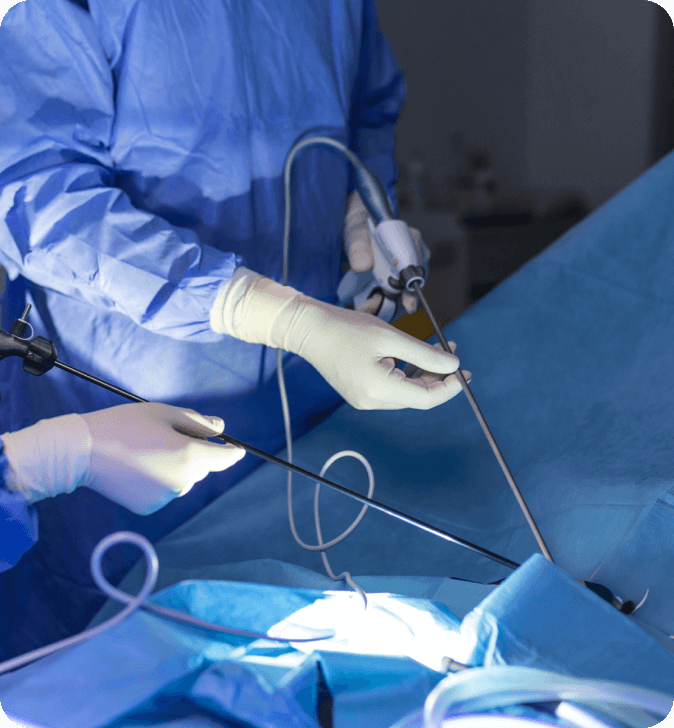
Surgery remains central to curative abdominal cancer treatment when disease is localised or regionally confined. The goal is complete removal of visible tumours while preserving organ function wherever possible. Surgical planning considers tumour location, spread pattern, and patient fitness.
In selected patients with peritoneal involvement, cytoreductive surgery combined with HIPEC is used to remove visible disease and treat microscopic cancer cells. Minimally invasive, robotic, or laparoscopic techniques are preferred when appropriate to reduce recovery time.
Why choose SSO Hospitals for abdominal cancer care
Abdominal cancer treatment requires precision, experience, and multidisciplinary coordination, all of which define care at SSO Hospitals.
- Organ-specific GI cancer surgeons: Surgeons dedicated exclusively to gastrointestinal cancers, with deep expertise in complex abdominal procedures.
- Comprehensive CRS and HIPEC programme: Specialised infrastructure and trained teams for managing peritoneal surface malignancies.
- Advanced robotic and minimally invasive surgery: Technology-driven precision that supports safer surgery and faster functional recovery.
- Multidisciplinary tumour board planning: Treatment decisions reviewed collaboratively by surgical, medical, and radiation oncology specialists.
- High-risk surgical and critical care support: Experienced anaesthesia and intensive care teams for complex and long-duration procedures.
- Integrated nutrition and rehabilitation services: Pre- and post-surgical support to optimise strength, healing, and long-term outcomes.
- Continuity of care across treatment phases: From diagnosis through surgery, adjuvant therapy, and follow-up, care is delivered as one coordinated pathway.

Meet our abdominal cancer specialists
World class expertise, Empathetic treatment

Dr. Sanket Mehta
MBBS, MS Cytoreductive Surgery | HIPEC | Laparoscopic & Robotic GI Surgery | Hepatopancreatobiliary Surgery 14+ years of experience

Dr. Vivek Sukumar
MBBS, MS, MCh Surgical Oncology 12 years of experience GI cancers, gynaecologic cancers, peritoneal surface malignancies, stomach & colorectal cancers, pancreatic & liver cancers, HIPEC/CRS

Dr. Praveen Kammar
MS, MRCS, MCH 13 years of experience Laparoscopic and Robotic Surgery for Abdominal and Thoracic Cancer Colorectal Cancer, GI Cancer Trans Anal Surgery and Sphincter-saving Surgeries for Low Rectal Cancer Cytoreductive Surgery and HIPEC

Dr. Nilesh Chordiya
MBBS, MS Laparoscopic Colorectal Surgery | Oesophageal Cancer | Pancreatic Cancer | VATS 12+ years of experience
Meet doctors who specialize in breast cancer
World class expertise, Empathetic treatment

Dr. Sanket Mehta
MBBS, MS
Cytoreductive Surgery | HIPEC | Laparoscopic & Robotic GI Surgery | Hepatopancreatobiliary Surgery
14+ years of experience

Dr. Praveen Kammar
MS, MRCS, MCH
Gastrointestinal Cancer | Colorectal Cancer | Laparoscopic & Robotic Surgery | Trans-Anal Surgery

Dr. Vivek Sukumar
MBBS, MS, MCh Surgical Oncology
GI Cancer | Colorectal Cancer | Peritoneal Surface Oncology | Minimally Invasive Pelvic Surgery

Dr. Nilesh Chordiya
MBBS, MS
Laparoscopic Colorectal Surgery | Oesophageal Cancer | Pancreatic Cancer | VATS
12+ years of experience
Frequently asked questions
What is HIPEC?
HIPEC is heated chemotherapy delivered inside the abdomen during surgery to treat microscopic cancer cells after tumour removal.
Is abdominal cancer curable?
Many abdominal cancers are treatable and potentially curable when detected early and managed with appropriate surgery and systemic care.
Is robotic surgery safe for abdominal cancer?
Robotic surgery is safe and allows greater precision, reduced pain, and faster recovery when used in suitable cases.
Is chemotherapy required after CRS and HIPEC?
The need for chemotherapy depends on tumour type, stage, and pathology findings, and is decided on a case-by-case basis.

What our patients say about us
Care, close to home
We have seven branches across Mumbai and Ahmedabad
Pick what's closest and we’ll match you to the right surgeon there.


