Colon Cancer
Cancer that develops in the colon.

Colorectal cancer develops in the colon or rectum and may begin as a small growth called a polyp. At SSO Hospitals, patients receive comprehensive colorectal cancer care, from diagnosis and staging to personalised treatment planning, colorectal surgery and follow-up care.
Most colorectal cancers begin as abnormal growths called polyps. Some polyps can gradually develop into cancer over time. Detecting and removing certain precancerous polyps through screening can help prevent colorectal cancer.
Colorectal cancer is cancer that develops in the colon or rectum, which together form part of the large intestine. Depending on where the cancer begins, it may be referred to as colon cancer or rectal cancer.
Colorectal cancer symptoms can vary depending on the tumour's location and stage. Some people may have no symptoms in the early stages. Possible signs and symptoms include:
Colorectal cancer staging helps determine how deeply the tumour has grown, whether nearby lymph nodes are involved and whether the cancer has spread to distant organs.
Abnormal or cancerous cells are confined to the innermost lining of the bowel.
The cancer has grown into deeper layers of the bowel wall but has not reached nearby lymph nodes or distant organs.
The cancer has grown further through the bowel wall or into nearby tissues but has not spread to nearby lymph nodes.
The cancer has spread to nearby lymph nodes but has not established distant metastases.
The cancer has spread to distant organs, such as the liver or lungs.
Colorectal cancers are classified according to where they originate and the type of cells involved.
Cancer that develops in the colon.
Cancer that develops in the rectum. Rectal cancers may require a different treatment sequence from cancers located elsewhere in the colon.
The most common type of colorectal cancer, arising from gland-forming cells lining the colon or rectum.
These include certain neuroendocrine tumours, gastrointestinal stromal tumours and other uncommon cancers. Their treatment depends on their specific pathology and biological characteristics.
A colorectal cancer diagnosis typically involves a combination of medical history, physical examination, bowel evaluation, imaging and tissue testing. The exact investigations depend on the symptoms and clinical situation.
A biopsy allows a pathologist to examine the tissue and determine whether cancer is present. Imaging and staging investigations help the multidisciplinary team understand the extent of disease and plan treatment.
The exact cause of colorectal cancer is not always known. Several factors can increase the risk of developing the disease. Having one or more risk factors does not mean that a person will develop colorectal cancer. Some people develop the disease without an identifiable risk factor.
Colorectal cancer treatment depends on whether the cancer is in the colon or rectum, its stage, molecular characteristics, location and the patient's overall health. Treatment may involve surgery, chemotherapy, radiation therapy, targeted therapy or immunotherapy, either individually or in combination.
Colorectal Cancer Treatment
Surgery is an important part of treatment for many localised colorectal cancers. The type of operation depends on the tumour's location and extent.
Removal of the section of the colon containing the tumour, along with nearby lymph nodes and surrounding tissue as appropriate. The remaining bowel may then be reconnected.
Procedures may include local excision or more extensive rectal surgery depending on tumour location, size, stage and response to preoperative treatment.
Minimally invasive surgery using small incisions and specialised instruments may be appropriate for selected patients.
Robotic-assisted techniques may be considered for selected colorectal procedures based on the tumour, anatomy and surgeon's assessment.
Some colorectal operations require a temporary or permanent stoma, where the bowel is brought through an opening in the abdominal wall. Whether a stoma is needed depends on factors such as tumour location, the type of surgery and the patient's individual circumstances.
Chemotherapy may be recommended before surgery, after surgery or as part of treatment for advanced colorectal cancer. The treatment plan depends on the cancer's stage and biological characteristics.
Radiation therapy is used more commonly in the treatment of rectal cancer than colon cancer. It may be combined with chemotherapy before surgery to reduce the risk of local recurrence and help control the tumour.
Molecular testing can identify certain characteristics of colorectal cancer that may help guide systemic treatment. Targeted therapies or immunotherapy may be appropriate for selected patients based on biomarkers and the stage of disease.
When colorectal cancer has spread to other organs, treatment is planned according to the sites of spread, tumour biology, symptoms and overall health. Systemic therapy may be combined with surgery or other local treatments in selected patients, particularly when metastatic disease can be treated with a local approach.
Colorectal cancer care may involve surgical oncology, medical oncology, radiation oncology, gastroenterology, radiology, pathology, nutrition and specialised nursing or supportive-care teams. A multidisciplinary approach helps coordinate diagnosis, staging and treatment decisions.
Colorectal cancer treatment requires decisions that are specific to the tumour's location, stage and biology. SSO Hospitals brings together colorectal and surgical oncology expertise with multidisciplinary cancer care to support patients through diagnosis, treatment and recovery.
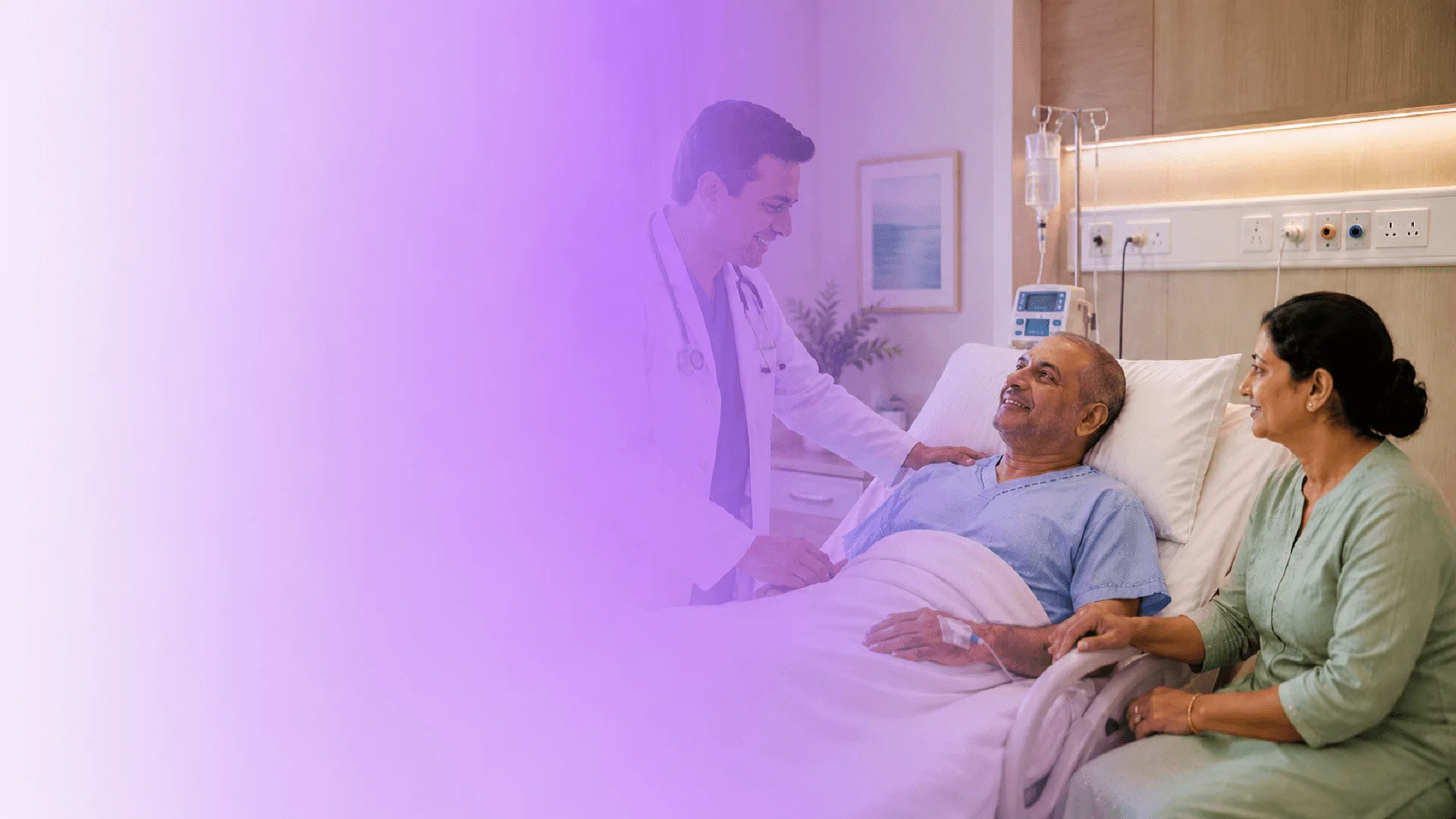
Meet our specialists involved in the evaluation and treatment of colorectal cancers, including colon and rectal cancers.
 13+ Yrs
GI Oncology · Colorectal Oncology · Peritoneal Surface Oncology · Gynaecological Oncology · Minimally Invasive GI & Colorectal Oncology
SSO Cancer Hospital, Vashi
If yours isn't here, call +91 - 8976897203 and ask us directly.
Unedited words from patients and families, straight from our review pages.
“My wife is under treatment of Dr Chetan Anchan… large bone pathological fracture curettage and reconstruction, successfully done. He is a great man, great doctor, always there for patients.”
“Dr. Sanket Mehta is a life saving doctor, he treated my father and cured his colon cancer. Ms. Rida from Charni Road branch helped throughout the follow up.”
“We are truly thankful to Dr. Jay Anam sir, an excellent onco surgeon. The hospital was clean and well-maintained, and staff were professional yet empathetic.”
“My mother is treated under Dr. Nilesh Chordiya and his team for breast cancer. SSO supported us financially via CM fund approval.”
“We are truly thankful to Dr. Jay Anam sir, an excellent onco surgeon. The hospital was clean and well-maintained, and staff were professional yet empathetic.”
“My mother is treated under Dr. Nilesh Chordiya and his team for breast cancer. SSO supported us financially via CM fund approval.”
“My wife is under treatment of Dr Chetan Anchan… large bone pathological fracture curettage and reconstruction, successfully done. He is a great man, great doctor, always there for patients.”
“We are truly thankful to Dr. Jay Anam sir, an excellent onco surgeon. The hospital was clean and well-maintained, and staff were professional yet empathetic.”
“Dr. Sanket Mehta is a life saving doctor, he treated my father and cured his colon cancer. Ms. Rida from Charni Road branch helped throughout the follow up.”
“My mother is treated under Dr. Nilesh Chordiya and his team for breast cancer. SSO supported us financially via CM fund approval.”
Nine centres across Mumbai, Ahmedabad and Belagavi. Pick what's closest and we'll match you to the right surgeon there.

Silver Point, 7th Floor, Specialty Surgical Oncology Hospital and Research Centre, Lal Bahadur Shastri Marg, Kasturi Park, Maneklal Estate, Ghatkopar West, Mumbai, Maharashtra 400086

First Floor, Surgical Speciality Oncology Hospital, Highland Sky Arcade, Shop F, 11A and F-12, Naupada, Thane West, Mumbai, Maharashtra 400602
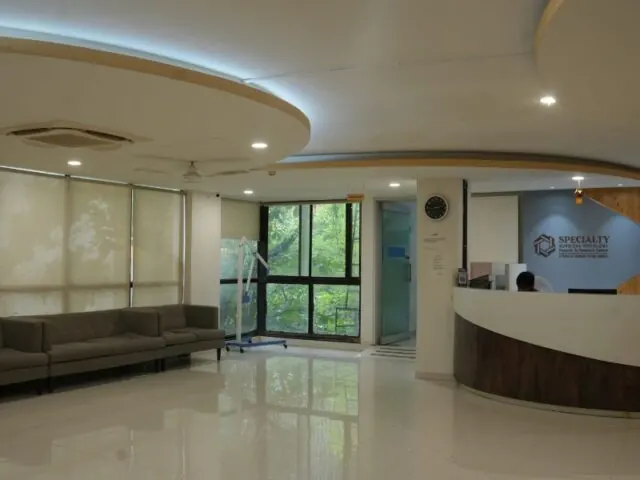
2nd Floor, Specialty Surgical Oncology, New Link Rd, above Bellevue Hospital, next to Audi Showroom, Sahakar Nagar, Azad Nagar, Andheri West, Mumbai, Maharashtra 400053

6th floor, Business Point, Ramakrishna Chemburkar Marg, near Savla Hospital, Chembur Gaothan, Kurla, Mumbai, Maharashtra 400071
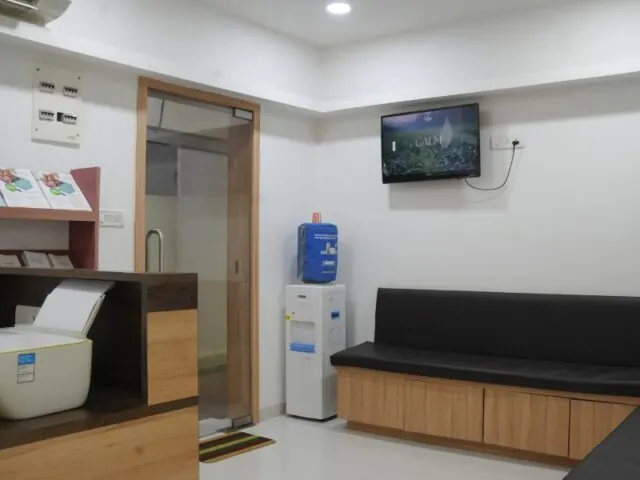
No. 51, Shanti Center Building, 4th floor, Clinic, above Parichay Hotel, Sector 17, Vashi, Navi Mumbai, Maharashtra 400703

9th Floor, Mehta Mahal, 9 B, Shrimad Rajchandraji Marg, Charni Road East, Opera House, Girgaon, Mumbai, Maharashtra 400004

Nh Srcc Children's Hospital, 1-1A, Keshavrao Khadye Marg, Haji Ali, Haji Ali Government Colony, Mahalakshmi, Mumbai, Maharashtra 400034
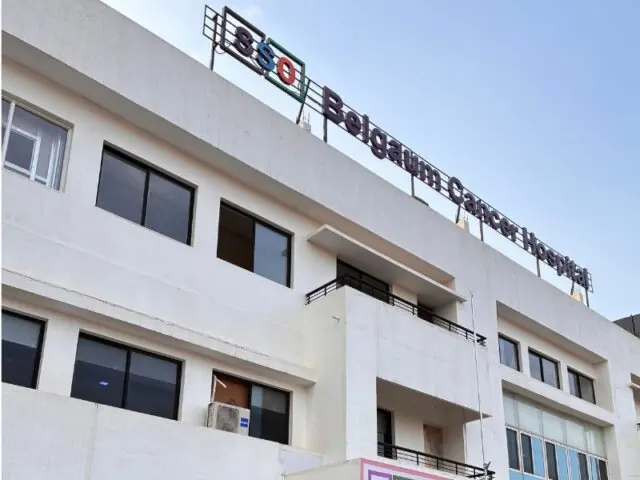
9666A-2/D, behind BUDA Office, Ashok Nagar, Shivaji Nagar, Belgavi, Karnataka 590016

opp. Pandit Dindayal Upadhyay Auditorium Hall, behind Rajpath Rangoli Road, Bodakdev, Ahmedabad, Gujarat 380054, India
Speak to our team now, or leave your details and a coordinator will call you back.
Call the appointment desk+91-8976897203