Invasive Ductal Carcinoma (IDC)
The most common type of invasive breast cancer. It begins in the cells lining the milk ducts and grows beyond the duct into surrounding breast tissue.

Specialised breast cancer care focused on early diagnosis, personalised treatment and surgical options tailored to each patient's condition.
Breast cancer develops when abnormal cells in breast tissue grow and divide in an uncontrolled way. It can begin in different parts of the breast, including the milk ducts or lobules, and may remain within the breast or spread to nearby lymph nodes or other parts of the body. The type and characteristics of the cancer help determine the treatment approach.
Breast cancer is not one single disease. Its treatment depends on the type of cancer, stage, tumour biology and individual patient factors. At SSO Hospitals, our breast oncology specialists provide personalised treatment planning, including breast-conserving surgery, mastectomy, sentinel lymph node procedures, oncoplastic surgery and reconstruction where appropriate. Surgical treatment is coordinated with other cancer therapies when required.
How it starts:
A new lump or change in the breast is one of the most common warning signs. However, early breast cancer may cause no symptoms, which is why appropriate screening and evaluation of persistent breast changes are important.
Breast cancer staging describes how extensive the cancer is and whether it has spread beyond the original tumour. Staging considers factors such as tumour size and location, lymph node involvement, distant spread, tumour grade and certain biomarkers. Breast cancer is generally classified from Stage 0 to Stage IV.
Abnormal cells are present but have not invaded surrounding breast tissue. Ductal carcinoma in situ (DCIS) is an example of Stage 0 breast disease.
The cancer is small and remains relatively limited, although some Stage I cancers may involve nearby lymph nodes.
The cancer may be larger and/or involve a limited number of nearby lymph nodes, depending on the specific tumour characteristics.
The cancer is locally advanced and may involve surrounding tissues or multiple regional lymph nodes.
The cancer has spread beyond the breast and nearby lymph nodes to distant parts of the body. This is also called metastatic breast cancer.
Breast cancer staging is more detailed than simply assigning a number from 0 to IV. Doctors also consider TNM findings, tumour grade, hormone-receptor status, HER2 status and, in selected cases, genomic testing. These factors help guide treatment decisions.
Breast cancer includes several different types and biological subtypes. The origin of the cancer and the presence or absence of biomarkers such as ER, PR and HER2 can influence treatment.
The most common type of invasive breast cancer. It begins in the cells lining the milk ducts and grows beyond the duct into surrounding breast tissue.
Begins in the milk-producing lobules and grows into surrounding breast tissue.
Abnormal cells are confined to the lining of the milk ducts and have not invaded surrounding breast tissue.
A less common and more aggressive form that can cause redness, swelling and changes in the appearance of the breast.
A breast cancer that does not have estrogen receptors, progesterone receptors or high levels of HER2. Its treatment differs from hormone-receptor-positive or HER2-positive cancers.
Breast cancer cells have higher-than-normal levels of the HER2 protein. HER2-directed therapies may be considered as part of treatment.
Cancer cells have receptors for hormones such as estrogen and/or progesterone. Hormone therapy may form part of treatment for appropriate patients.
Breast cancer diagnosis usually begins with a clinical assessment and appropriate breast imaging. If an abnormal area is identified, a biopsy may be recommended. A biopsy is the definitive way to determine whether abnormal breast tissue contains cancer cells. Additional testing of the tumour can help determine its biological characteristics and guide treatment planning.
Your doctor examines the breast and nearby lymph-node areas and reviews your symptoms and personal and family history.
A diagnostic mammogram uses X-rays to examine the breast and investigate a lump, symptom or abnormal screening finding.
Ultrasound uses sound waves to create images of the breast and may help evaluate a lump or other abnormal area.
MRI uses magnetic fields and radio waves to produce detailed images of breast tissue and may be recommended in selected situations.
A sample of breast tissue is removed and examined by a pathologist. Biopsy is the only definitive way to establish whether an abnormal area is breast cancer.
If cancer is confirmed, the tumour may be tested for estrogen receptors, progesterone receptors, HER2 and other relevant biomarkers to help guide treatment.
Not every patient needs every test. The investigations recommended depend on the breast finding, symptoms, clinical history and previous results.
Surgery may involve removing the tumour while preserving as much healthy breast tissue as appropriate, or removing the entire breast through mastectomy. The choice depends on factors such as tumour size, location, number of tumour sites, breast size, previous treatment and patient preference. Sentinel lymph node biopsy may also be performed to assess whether cancer has reached nearby lymph nodes.
Having close relatives with breast cancer can increase risk.
Inherited changes in genes such as BRCA1 and BRCA2 can increase risk.
Radiation exposure to the chest, particularly at a young age, can increase risk.
Dense breasts are associated with increased risk and can also make cancer harder to detect on mammography.
Certain reproductive and hormonal factors can influence risk.
Alcohol consumption and excess body weight, particularly after menopause, are among potentially modifiable risk factors.** Having a risk factor does not mean that a person will develop breast cancer, and some people develop breast cancer without a known risk factor.
Breast cancer treatment depends on the cancer's type, stage, tumour biology, biomarker status and the patient's overall health and preferences. Treatment may involve surgery, radiation therapy, chemotherapy, hormone therapy, targeted therapy, immunotherapy or a combination of approaches. Treatment may be given before surgery, after surgery or as the primary treatment depending on the individual case.
Breast Cancer Treatment
Surgery may involve removing the tumour while preserving as much healthy breast tissue as appropriate, or removing the entire breast through mastectomy. The choice depends on factors such as tumour size, location, number of tumour sites, breast size, previous treatment and patient preference. Sentinel lymph node biopsy may also be performed to assess whether cancer has reached nearby lymph nodes.
Oncoplastic breast surgery combines cancer removal with techniques designed to preserve or improve breast shape. For patients undergoing mastectomy, breast reconstruction may be performed at the same time or at a later stage, depending on the patient's treatment plan and suitability.
The sequence and combination of treatments are individualised. Your breast cancer team will consider pathology, stage, biomarkers, imaging, overall health and other factors before recommending a treatment plan.
Breast cancer treatment requires decisions that consider both cancer control and the patient's individual needs. At SSO Hospitals, our breast oncology specialists combine focused surgical expertise with multidisciplinary treatment planning.
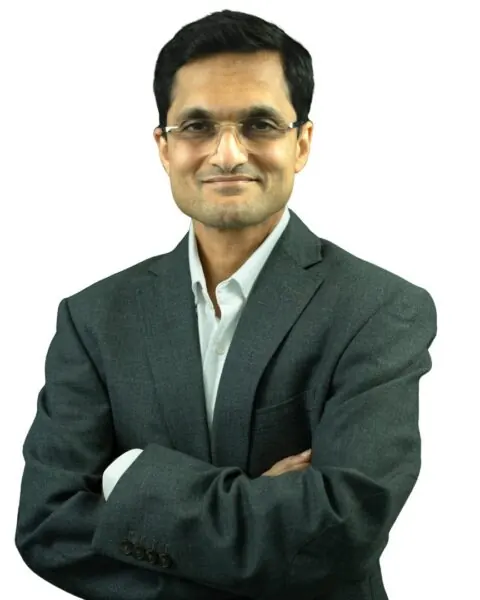
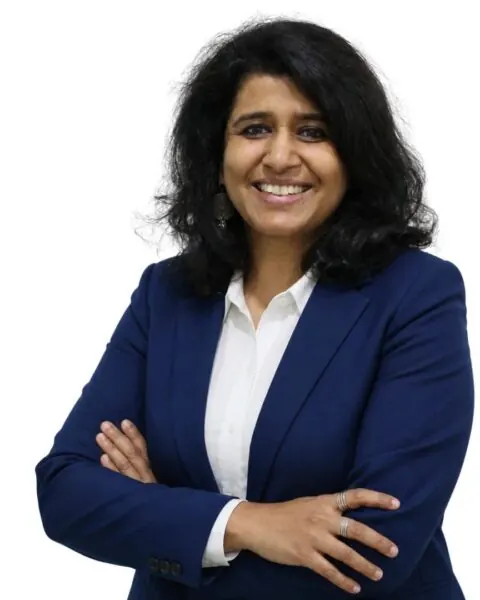
Meet our breast oncology specialists across SSO Hospitals. Each doctor's profile provides information about their qualifications, areas of expertise and consultation locations.
 21+ Yrs
Gastrointestinal Oncology · Gynaecological Oncology · Cytoreductive Surgery · HIPEC · PIPAC
SSO Cancer Hospital Ghatkopar West, Charni Road & SRCC
 35+ Yrs
Breast Cancer · Gynaecological Cancer · GI & Colorectal Cancer · Robotic Oncologic Surgery · Organ-Preserving Surgery · Oncoplastic Breast Surgery · Minimal Access Gynaecological Oncology
Saifee Hospital · SSO Cancer Hospital Charni Road
 35+ Yrs
 25+ Yrs
Bone Tumours · Soft Tissue Tumours · Sarcoma Surgery · Musculoskeletal Oncology · Skeletal Metastases
SSO Cancer Hospital, Andheri West
 21+ Yrs
 20+ Yrs
GI Oncology · Colorectal Cancer Surgery · Gynaecological Cancer Surgery · Minimally Invasive Cancer Surgery
SSO Cancer Hospital, Thane
 18+ Yrs
Paediatric Cancer Surgery · Paediatric Robotic Surgery · Advanced Laparoscopic Surgery · Paediatric Hepatobiliary Surgery · Paediatric Urology · Minimally Invasive Paediatric Surgery
SRCC, Mumbai
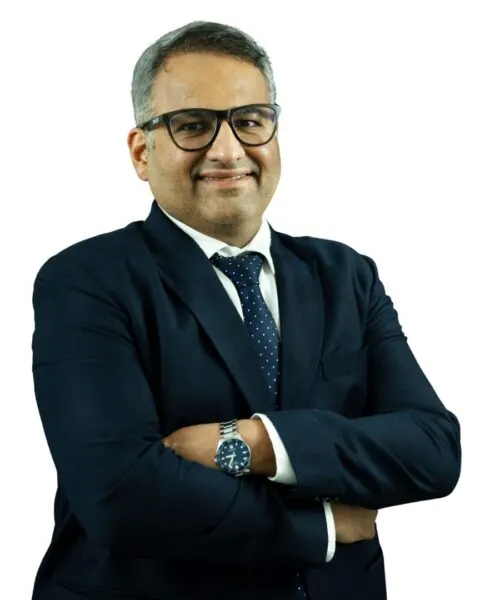 16+ Yrs
Breast Cancer · Breast Cancer Surgery · Breast Conservation Surgery · Oncoplastic Breast Surgery
SSO Cancer Hospital, Ghatkopar West
 16+ Yrs
GI Oncology · Colorectal Cancer · Gynaecological Oncology · Peritoneal Surface Oncology · Robotic & Laparoscopic Cancer Surgery
SSO Cancer Hospital, Andheri West & Ghatkopar West
 14+ Yrs
Uro-Oncology · Robotic Urologic Surgery · Kidney Cancer · Bladder Cancer · Prostate Cancer · Genitourinary Cancers
SSO Cancer Hospital, Ghatkopar West
 13+ Yrs
Head & Neck Cancer · Oral Cancer · Tongue Cancer · Laryngeal Cancer · Thyroid Cancer · Salivary Gland Cancer
SSO Cancer Hospital, Ghatkopar West
 13+ Yrs
Breast Cancer · Gynaecological Cancer · Peritoneal Surface Oncology · Cytoreductive Surgery · HIPEC · PIPAC
SSO Cancer Hospital, Andheri West
 13+ Yrs
GI Oncology · Colorectal Oncology · Peritoneal Surface Oncology · Gynaecological Oncology · Minimally Invasive GI & Colorectal Oncology
SSO Cancer Hospital, Vashi
 10+ Yrs
Thoracic Oncology · Lung Cancer · Oesophageal Cancer · Mediastinal Tumours · Chest Wall Tumours · VATS Surgery
SSO Cancer Hospital, Ghatkopar West
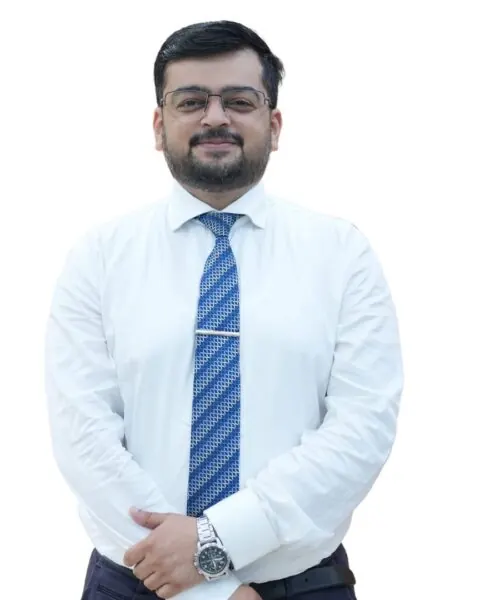 9+ Yrs
GI Oncology · HPB Oncology · Liver Cancer · Pancreatic Cancer · Biliary Cancers · Robotic & Minimally Invasive Cancer Surgery
SSO Cancer Hospital, Andheri West · Ghatkopar West · Charni Road
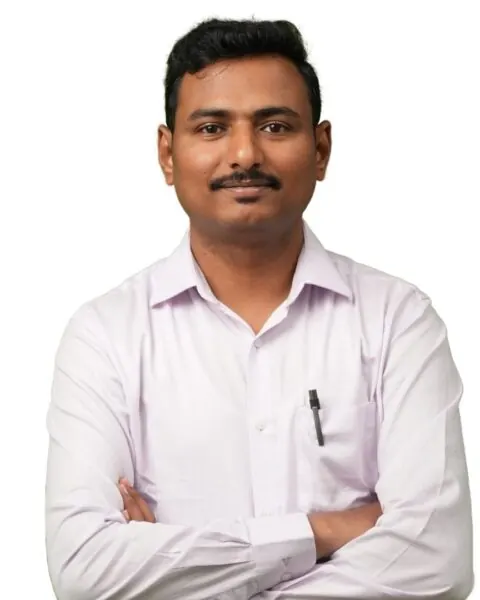 8+ Yrs
Robotic Surgery · Minimally Invasive Cancer Surgery · GI & HPB Oncology · Breast Oncology · Thoracic Oncology · Gynaecological Oncology · Cytoreductive Surgery & HIPEC
SSO Cancer Hospital, Belagavi
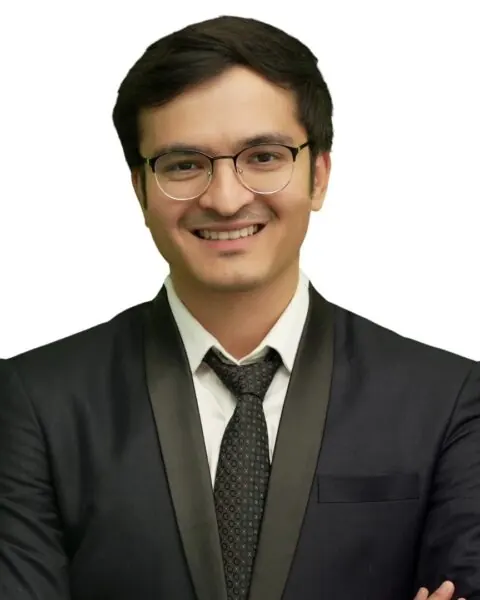 8+ Yrs
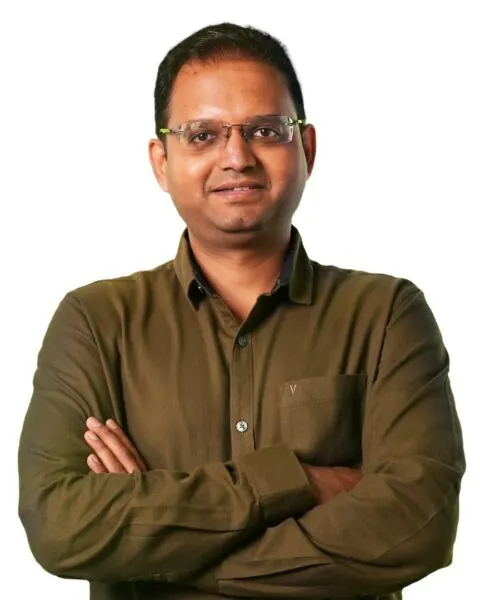 7+ Yrs
Head & Neck Oncology · Skull Base Surgery · Organ-Preserving Cancer Surgery · Microvascular Reconstruction
SSO Cancer Hospital, Belagavi
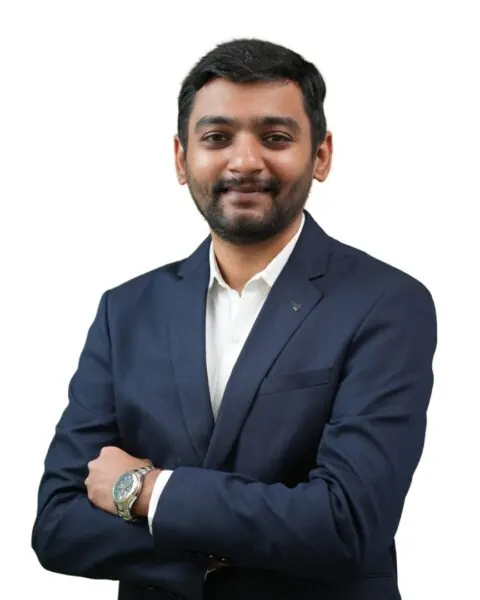 7+ Yrs
Blood Disorders · Blood Cancers · Leukemia · Lymphoma · Multiple Myeloma · Bone Marrow Transplantation · Cellular Therapy · Immunotherapy
SSO Cancer Hospital Andheri West · Borivali · SRCC
 7+ Yrs
 6+ Yrs
Breast Oncology · Gynaecological Oncology · Breast-Conserving Surgery · Oncoplastic Breast Surgery · Minimal Access Surgery · Peritoneal Surface Oncology · HIPEC · S-LYMPHA
SSO Cancer Hospital, Thane
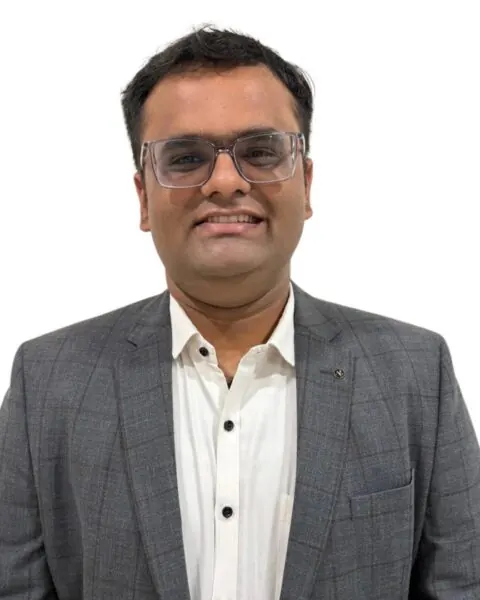 6+ Yrs
 5+ Yrs
Gastrointestinal Cancer · Gynaecological Cancer · Peritoneal Surface Malignancies · HPB Surgery · Minimally Invasive Oncology · CRS · HIPEC · PIPAC
EPIC Hospital, Ahmedabad
 4+ Yrs
 4+ Yrs
Head & Neck Oncology · Oral Cancer Surgery · Thyroid & Parathyroid Surgery · Laryngeal & Pharyngeal Cancer Surgery · Reconstructive Oncology · Maxillofacial & Craniofacial Surgery
SSO Cancer Hospital, Andheri West
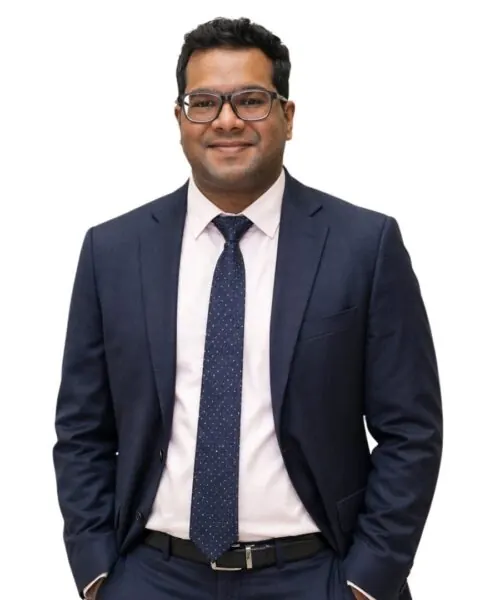 4+ Yrs
Oral Cancer Surgery · Head & Neck Surgical Oncology · Jaw Tumour Surgery · Salivary Gland Tumour Surgery · Maxillofacial Reconstruction
SSO Cancer Hospital, Vashi & White Lotus International Hospital, Navi Mumbai
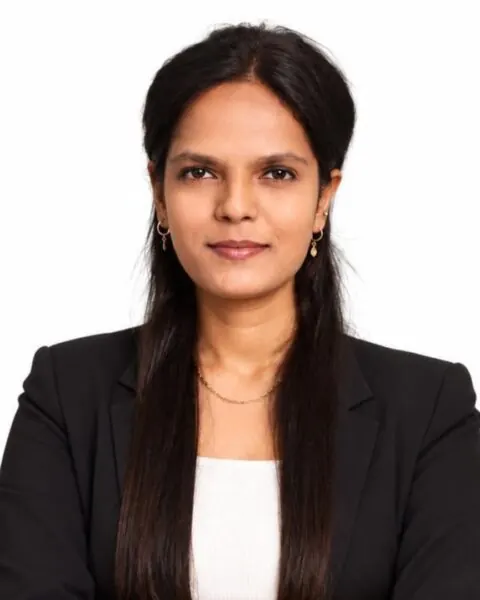 3+ Yrs
Breast Cancer · Gynaecological Cancers · Peritoneal Surface Malignancies
SSO Cancer Hospital Andheri · Borivali
Unedited words from patients and families, straight from our review pages.
“My wife is under treatment of Dr Chetan Anchan… large bone pathological fracture curettage and reconstruction, successfully done. He is a great man, great doctor, always there for patients.”
“Dr. Sanket Mehta is a life saving doctor, he treated my father and cured his colon cancer. Ms. Rida from Charni Road branch helped throughout the follow up.”
“We are truly thankful to Dr. Jay Anam sir, an excellent onco surgeon. The hospital was clean and well-maintained, and staff were professional yet empathetic.”
“My mother is treated under Dr. Nilesh Chordiya and his team for breast cancer. SSO supported us financially via CM fund approval.”
“We are truly thankful to Dr. Jay Anam sir, an excellent onco surgeon. The hospital was clean and well-maintained, and staff were professional yet empathetic.”
“My mother is treated under Dr. Nilesh Chordiya and his team for breast cancer. SSO supported us financially via CM fund approval.”
“My wife is under treatment of Dr Chetan Anchan… large bone pathological fracture curettage and reconstruction, successfully done. He is a great man, great doctor, always there for patients.”
“We are truly thankful to Dr. Jay Anam sir, an excellent onco surgeon. The hospital was clean and well-maintained, and staff were professional yet empathetic.”
“Dr. Sanket Mehta is a life saving doctor, he treated my father and cured his colon cancer. Ms. Rida from Charni Road branch helped throughout the follow up.”
“My mother is treated under Dr. Nilesh Chordiya and his team for breast cancer. SSO supported us financially via CM fund approval.”
Nine centres across Mumbai, Ahmedabad and Belagavi. Pick what's closest and we'll match you to the right surgeon there.
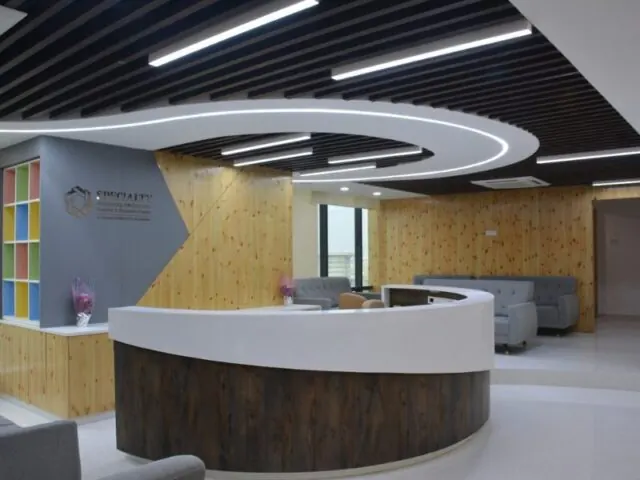
Silver Point, 7th Floor, Specialty Surgical Oncology Hospital and Research Centre, Lal Bahadur Shastri Marg, Kasturi Park, Maneklal Estate, Ghatkopar West, Mumbai, Maharashtra 400086

First Floor, Surgical Speciality Oncology Hospital, Highland Sky Arcade, Shop F, 11A and F-12, Naupada, Thane West, Mumbai, Maharashtra 400602
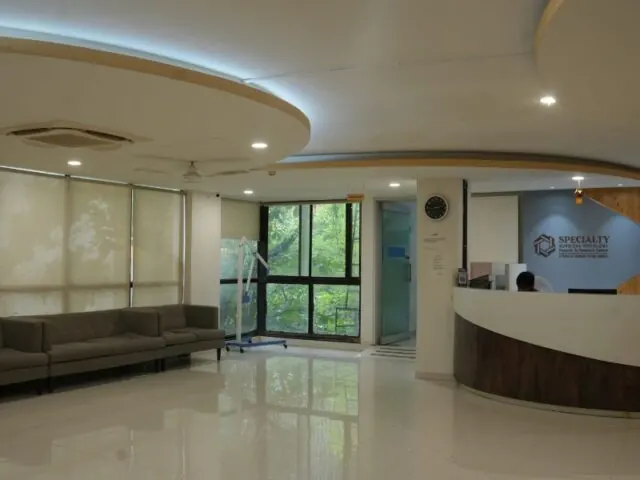
2nd Floor, Specialty Surgical Oncology, New Link Rd, above Bellevue Hospital, next to Audi Showroom, Sahakar Nagar, Azad Nagar, Andheri West, Mumbai, Maharashtra 400053

6th floor, Business Point, Ramakrishna Chemburkar Marg, near Savla Hospital, Chembur Gaothan, Kurla, Mumbai, Maharashtra 400071
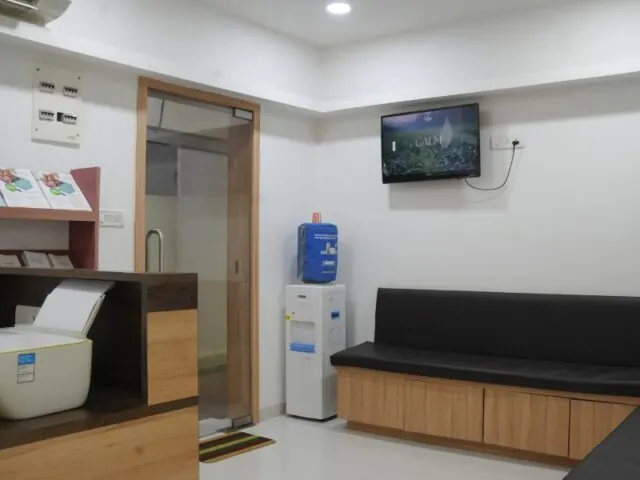
No. 51, Shanti Center Building, 4th floor, Clinic, above Parichay Hotel, Sector 17, Vashi, Navi Mumbai, Maharashtra 400703

9th Floor, Mehta Mahal, 9 B, Shrimad Rajchandraji Marg, Charni Road East, Opera House, Girgaon, Mumbai, Maharashtra 400004

Nh Srcc Children's Hospital, 1-1A, Keshavrao Khadye Marg, Haji Ali, Haji Ali Government Colony, Mahalakshmi, Mumbai, Maharashtra 400034
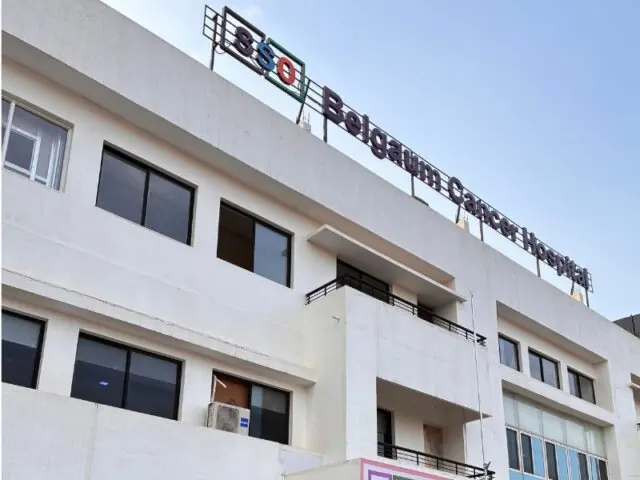
9666A-2/D, behind BUDA Office, Ashok Nagar, Shivaji Nagar, Belgavi, Karnataka 590016

opp. Pandit Dindayal Upadhyay Auditorium Hall, behind Rajpath Rangoli Road, Bodakdev, Ahmedabad, Gujarat 380054, India
Speak to our team now, or leave your details and a coordinator will call you back.
Call the appointment desk+91-8976897203