Non-Small Cell Lung Cancer (NSCLC)
The most common group of lung cancers. It includes several subtypes, including adenocarcinoma, squamous cell carcinoma and large cell carcinoma.

Specialised lung cancer care combining thoracic surgical expertise, accurate diagnosis and personalised treatment planning.
Lung cancer is a disease in which abnormal cells in the lungs grow uncontrollably and form a tumour. Lung cancers are broadly divided into two major groups: non-small cell lung cancer (NSCLC) and small cell lung cancer (SCLC). The type of lung cancer, its stage, molecular characteristics and the patient’s overall health help determine the treatment plan.
Lung cancer can develop without obvious symptoms in its early stages, and treatment varies significantly depending on the type and stage of the disease. At SSO Hospitals, our thoracic oncology specialists evaluate each patient’s diagnosis, imaging, pathology and overall health to determine the most appropriate treatment approach. Depending on the individual case, treatment may include surgery, radiation therapy, chemotherapy, targeted therapy, immunotherapy or a combination of these approaches.
How It Starts:
Lung cancer symptoms can vary depending on the size and location of the tumour and whether the disease has spread. Early lung cancer may not cause noticeable symptoms, which is one reason appropriate evaluation of persistent respiratory symptoms is important.
Lung Cancer Stages Lung cancer staging describes how far the cancer has grown and whether it has spread to lymph nodes or distant organs. The staging system depends on the type of lung cancer. Non-small cell lung cancer is generally described using Stage I through Stage IV, while small cell lung cancer is often described using limited-stage and extensive-stage categories.
The cancer is confined to the lung and has not spread to nearby lymph nodes or distant organs.
The cancer remains within the lung region but may be larger and/or involve nearby lymph nodes or structures, depending on the specific tumour.
The cancer is locally or regionally advanced and may involve lymph nodes or structures in the chest.
The cancer has spread to distant parts of the body or involves extensive disease within the chest.
Staging is based on clinical examination, imaging, biopsy and other investigations. For NSCLC, doctors assess the primary tumour, lymph nodes and distant metastases using the TNM system. Your specialist will explain the stage and what it means for your treatment plan.
Lung cancer is broadly divided into two major types. Identifying the exact type through pathology is important because treatment differs between different lung cancers.
The most common group of lung cancers. It includes several subtypes, including adenocarcinoma, squamous cell carcinoma and large cell carcinoma.
A common form of NSCLC that can occur in smokers and people who have never smoked. It often develops in areas towards the outer parts of the lung.
A type of NSCLC that often begins in cells lining the airways and has a strong association with tobacco exposure.
A less common NSCLC subtype characterised by large-appearing cancer cells and potentially rapid growth.
A less common but typically faster-growing lung cancer that often requires systemic treatment and has a different treatment approach from NSCLC.
Rare primary tumours can also arise in the lungs. Accurate pathology is important to distinguish these cancers and determine appropriate treatment.
Lung cancer diagnosis generally combines imaging, tissue sampling and clinical assessment. The exact tests depend on the suspected tumour, its location and the patient's symptoms. Once cancer is confirmed, additional testing may be performed to determine the stage and identify molecular or biomarker characteristics that can influence treatment.
A chest X-ray may identify an abnormal area in the lung, although further testing is usually required to determine its cause.
A CT scan provides more detailed images of the lungs and chest and can help assess the size and location of a suspected tumour.
A thin, flexible instrument may be passed through the airways to examine the lungs and obtain tissue or fluid samples when appropriate.
A sample of tissue is examined by a pathologist to determine whether cancer is present and identify its type.
PET-CT may be used for staging and to look for areas of metabolically active disease elsewhere in the body.
MRI or another form of brain imaging may be recommended in selected patients as part of staging.
Lung function testing may be required, particularly when surgery is being considered, to assess whether the patient can safely tolerate removal of part or all of a lung.
Selected non-small cell lung cancers may be tested for molecular alterations and biomarkers that can influence the choice of targeted therapy or immunotherapy.
Not every patient requires every test. The diagnostic pathway depends on the location and appearance of the tumour, suspected cancer type, stage and overall clinical condition.
Regular exposure to tobacco smoke from others can also increase lung cancer risk.
Exposure to substances such as asbestos and certain industrial chemicals can increase risk.
Radon is a naturally occurring radioactive gas that can increase lung cancer risk with prolonged exposure.
Long-term exposure to certain forms of outdoor air pollution is associated with increased lung cancer risk.
Radiation therapy involving the chest can increase the risk of developing a future lung cancer in some patients.
A family history of lung cancer may be associated with increased risk, although most people who develop lung cancer do not have a strong family history.
Lung cancer treatment depends on the cancer type, stage, operability, molecular or biomarker findings, lung function, overall health and other individual factors. Treatment may include surgery, radiation therapy, chemotherapy, targeted therapy, immunotherapy or combinations of these approaches.
Lung Cancer Treatment
Surgery may be considered for selected patients, particularly when the cancer is localised or can be removed as part of a broader treatment plan. Depending on the tumour and the amount of lung involved, surgery may include a wedge resection, segmentectomy, lobectomy or pneumonectomy. Lymph-node assessment is often performed as part of lung cancer surgery.
For appropriately selected patients, lung surgery may be performed using minimally invasive techniques such as video-assisted thoracoscopic surgery (VATS). These approaches use smaller incisions than conventional open surgery, although suitability depends on the tumour, anatomy, stage and procedure required.
Radiation therapy may be used as a primary treatment for selected early-stage lung cancers, after surgery in certain situations, alongside other treatments for locally advanced disease, or to relieve symptoms caused by advanced cancer. Stereotactic body radiation therapy (SBRT) may be considered for selected patients with early-stage disease who require a highly focused radiation approach.
Systemic therapy plays an important role in many lung cancers. Chemotherapy may be used alone or alongside other treatments. For selected NSCLC patients, molecular testing can identify alterations that may make targeted therapies appropriate. Immunotherapy may also be considered for certain patients based on tumour characteristics and the clinical setting. Treatment selection differs between NSCLC and SCLC.
The sequence of treatment is individualised. Some patients may receive treatment before surgery, while others may require surgery first or primarily non-surgical treatment. Your specialist will recommend an approach based on the complete clinical picture.
Lung cancer treatment requires careful assessment of both the cancer and the patient's ability to tolerate treatment. At SSO Hospitals, our thoracic oncology approach brings specialist surgical expertise together with multidisciplinary cancer care.
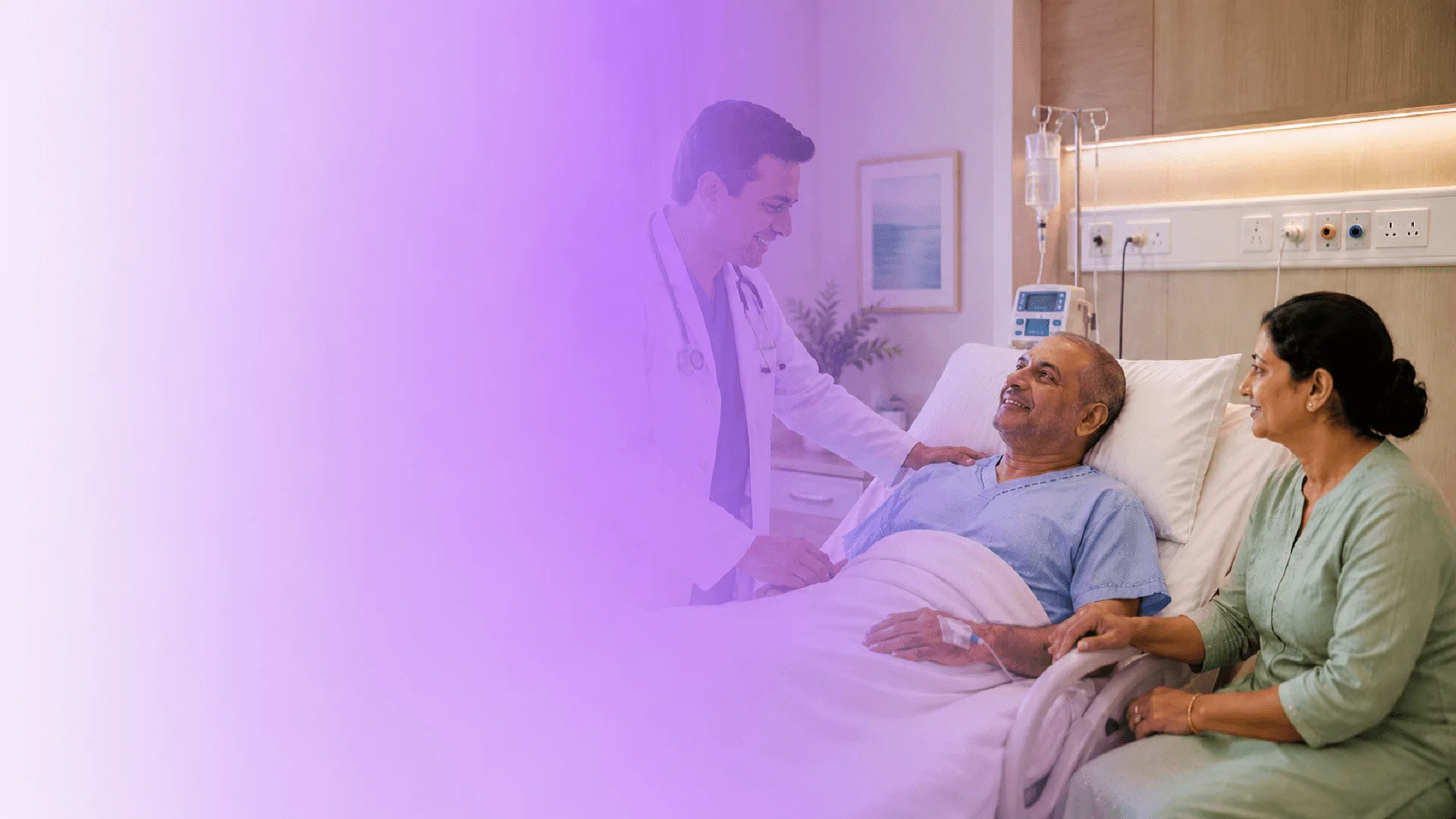
Connect with our thoracic oncology specialists for evaluation, treatment planning and surgical opinions for lung cancer and other conditions affecting the chest.
 21+ Yrs
Gastrointestinal Oncology · Gynaecological Oncology · Cytoreductive Surgery · HIPEC · PIPAC
SSO Cancer Hospital Ghatkopar West, Charni Road & SRCC
 35+ Yrs
Breast Cancer · Gynaecological Cancer · GI & Colorectal Cancer · Robotic Oncologic Surgery · Organ-Preserving Surgery · Oncoplastic Breast Surgery · Minimal Access Gynaecological Oncology
Saifee Hospital · SSO Cancer Hospital Charni Road
 35+ Yrs
 25+ Yrs
Bone Tumours · Soft Tissue Tumours · Sarcoma Surgery · Musculoskeletal Oncology · Skeletal Metastases
SSO Cancer Hospital, Andheri West
 21+ Yrs
 20+ Yrs
GI Oncology · Colorectal Cancer Surgery · Gynaecological Cancer Surgery · Minimally Invasive Cancer Surgery
SSO Cancer Hospital, Thane
 18+ Yrs
Paediatric Cancer Surgery · Paediatric Robotic Surgery · Advanced Laparoscopic Surgery · Paediatric Hepatobiliary Surgery · Paediatric Urology · Minimally Invasive Paediatric Surgery
SRCC, Mumbai
 16+ Yrs
Breast Cancer · Breast Cancer Surgery · Breast Conservation Surgery · Oncoplastic Breast Surgery
SSO Cancer Hospital, Ghatkopar West
 16+ Yrs
GI Oncology · Colorectal Cancer · Gynaecological Oncology · Peritoneal Surface Oncology · Robotic & Laparoscopic Cancer Surgery
SSO Cancer Hospital, Andheri West & Ghatkopar West
 14+ Yrs
Uro-Oncology · Robotic Urologic Surgery · Kidney Cancer · Bladder Cancer · Prostate Cancer · Genitourinary Cancers
SSO Cancer Hospital, Ghatkopar West
 13+ Yrs
Head & Neck Cancer · Oral Cancer · Tongue Cancer · Laryngeal Cancer · Thyroid Cancer · Salivary Gland Cancer
SSO Cancer Hospital, Ghatkopar West
 13+ Yrs
Breast Cancer · Gynaecological Cancer · Peritoneal Surface Oncology · Cytoreductive Surgery · HIPEC · PIPAC
SSO Cancer Hospital, Andheri West
 13+ Yrs
GI Oncology · Colorectal Oncology · Peritoneal Surface Oncology · Gynaecological Oncology · Minimally Invasive GI & Colorectal Oncology
SSO Cancer Hospital, Vashi
 10+ Yrs
Thoracic Oncology · Lung Cancer · Oesophageal Cancer · Mediastinal Tumours · Chest Wall Tumours · VATS Surgery
SSO Cancer Hospital, Ghatkopar West
 9+ Yrs
GI Oncology · HPB Oncology · Liver Cancer · Pancreatic Cancer · Biliary Cancers · Robotic & Minimally Invasive Cancer Surgery
SSO Cancer Hospital, Andheri West · Ghatkopar West · Charni Road
 8+ Yrs
Robotic Surgery · Minimally Invasive Cancer Surgery · GI & HPB Oncology · Breast Oncology · Thoracic Oncology · Gynaecological Oncology · Cytoreductive Surgery & HIPEC
SSO Cancer Hospital, Belagavi
 8+ Yrs
 7+ Yrs
Head & Neck Oncology · Skull Base Surgery · Organ-Preserving Cancer Surgery · Microvascular Reconstruction
SSO Cancer Hospital, Belagavi
 7+ Yrs
Blood Disorders · Blood Cancers · Leukemia · Lymphoma · Multiple Myeloma · Bone Marrow Transplantation · Cellular Therapy · Immunotherapy
SSO Cancer Hospital Andheri West · Borivali · SRCC
 7+ Yrs
 6+ Yrs
Breast Oncology · Gynaecological Oncology · Breast-Conserving Surgery · Oncoplastic Breast Surgery · Minimal Access Surgery · Peritoneal Surface Oncology · HIPEC · S-LYMPHA
SSO Cancer Hospital, Thane
 6+ Yrs
 5+ Yrs
Gastrointestinal Cancer · Gynaecological Cancer · Peritoneal Surface Malignancies · HPB Surgery · Minimally Invasive Oncology · CRS · HIPEC · PIPAC
EPIC Hospital, Ahmedabad
 4+ Yrs
 4+ Yrs
Head & Neck Oncology · Oral Cancer Surgery · Thyroid & Parathyroid Surgery · Laryngeal & Pharyngeal Cancer Surgery · Reconstructive Oncology · Maxillofacial & Craniofacial Surgery
SSO Cancer Hospital, Andheri West
 4+ Yrs
Oral Cancer Surgery · Head & Neck Surgical Oncology · Jaw Tumour Surgery · Salivary Gland Tumour Surgery · Maxillofacial Reconstruction
SSO Cancer Hospital, Vashi & White Lotus International Hospital, Navi Mumbai
 3+ Yrs
Breast Cancer · Gynaecological Cancers · Peritoneal Surface Malignancies
SSO Cancer Hospital Andheri · Borivali
Unedited words from patients and families, straight from our review pages.
“My wife is under treatment of Dr Chetan Anchan… large bone pathological fracture curettage and reconstruction, successfully done. He is a great man, great doctor, always there for patients.”
“Dr. Sanket Mehta is a life saving doctor, he treated my father and cured his colon cancer. Ms. Rida from Charni Road branch helped throughout the follow up.”
“We are truly thankful to Dr. Jay Anam sir, an excellent onco surgeon. The hospital was clean and well-maintained, and staff were professional yet empathetic.”
“My mother is treated under Dr. Nilesh Chordiya and his team for breast cancer. SSO supported us financially via CM fund approval.”
“We are truly thankful to Dr. Jay Anam sir, an excellent onco surgeon. The hospital was clean and well-maintained, and staff were professional yet empathetic.”
“My mother is treated under Dr. Nilesh Chordiya and his team for breast cancer. SSO supported us financially via CM fund approval.”
“My wife is under treatment of Dr Chetan Anchan… large bone pathological fracture curettage and reconstruction, successfully done. He is a great man, great doctor, always there for patients.”
“We are truly thankful to Dr. Jay Anam sir, an excellent onco surgeon. The hospital was clean and well-maintained, and staff were professional yet empathetic.”
“Dr. Sanket Mehta is a life saving doctor, he treated my father and cured his colon cancer. Ms. Rida from Charni Road branch helped throughout the follow up.”
“My mother is treated under Dr. Nilesh Chordiya and his team for breast cancer. SSO supported us financially via CM fund approval.”
Nine centres across Mumbai, Ahmedabad and Belagavi. Pick what's closest and we'll match you to the right surgeon there.
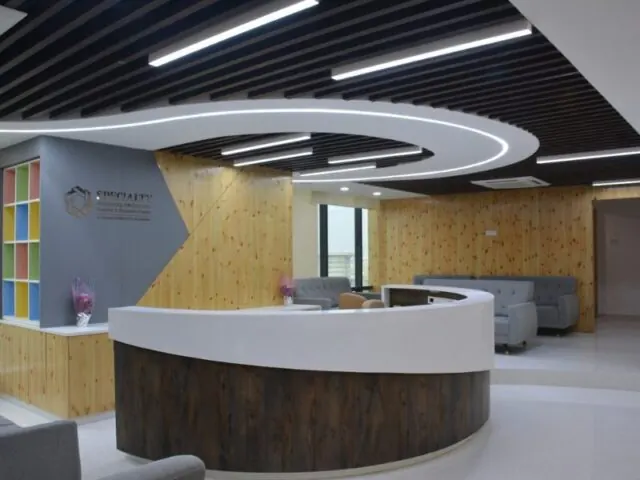
Silver Point, 7th Floor, Specialty Surgical Oncology Hospital and Research Centre, Lal Bahadur Shastri Marg, Kasturi Park, Maneklal Estate, Ghatkopar West, Mumbai, Maharashtra 400086

First Floor, Surgical Speciality Oncology Hospital, Highland Sky Arcade, Shop F, 11A and F-12, Naupada, Thane West, Mumbai, Maharashtra 400602
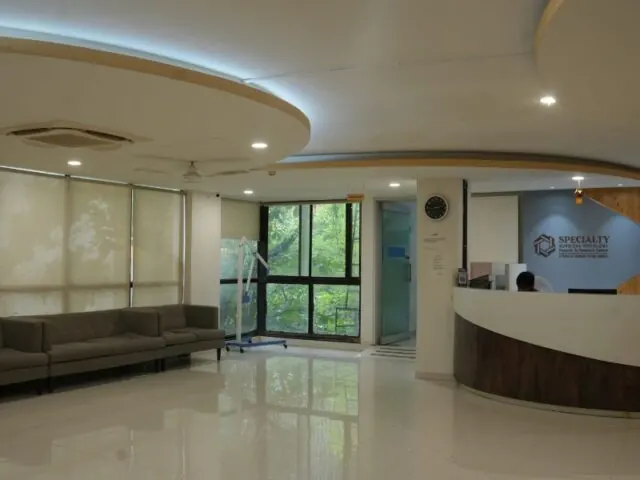
2nd Floor, Specialty Surgical Oncology, New Link Rd, above Bellevue Hospital, next to Audi Showroom, Sahakar Nagar, Azad Nagar, Andheri West, Mumbai, Maharashtra 400053

6th floor, Business Point, Ramakrishna Chemburkar Marg, near Savla Hospital, Chembur Gaothan, Kurla, Mumbai, Maharashtra 400071
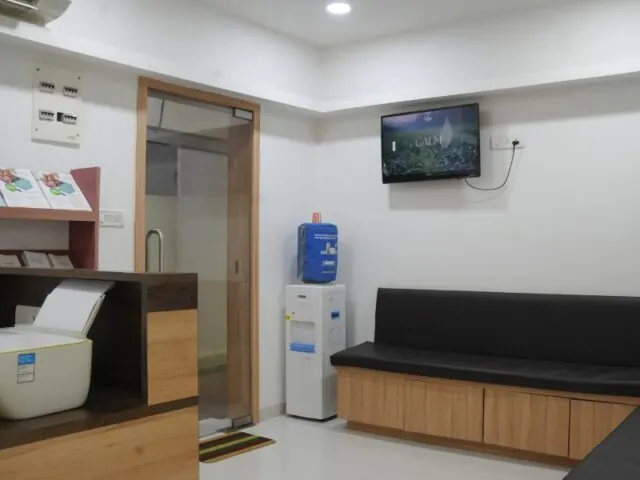
No. 51, Shanti Center Building, 4th floor, Clinic, above Parichay Hotel, Sector 17, Vashi, Navi Mumbai, Maharashtra 400703

9th Floor, Mehta Mahal, 9 B, Shrimad Rajchandraji Marg, Charni Road East, Opera House, Girgaon, Mumbai, Maharashtra 400004

Nh Srcc Children's Hospital, 1-1A, Keshavrao Khadye Marg, Haji Ali, Haji Ali Government Colony, Mahalakshmi, Mumbai, Maharashtra 400034
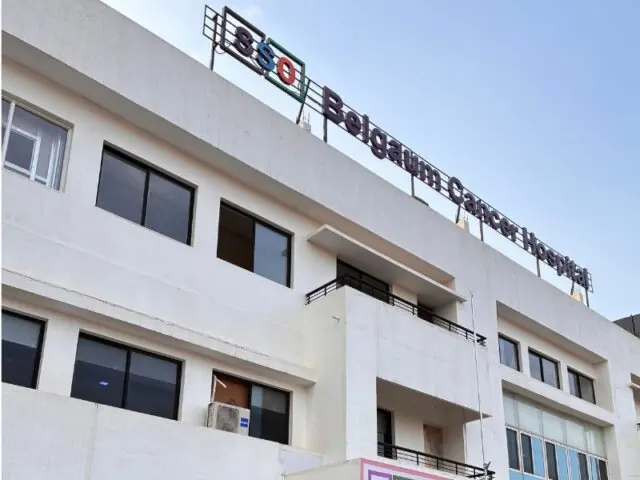
9666A-2/D, behind BUDA Office, Ashok Nagar, Shivaji Nagar, Belgavi, Karnataka 590016

opp. Pandit Dindayal Upadhyay Auditorium Hall, behind Rajpath Rangoli Road, Bodakdev, Ahmedabad, Gujarat 380054, India
Speak to our team now, or leave your details and a coordinator will call you back.
Call the appointment desk+91-8976897203