Acinar Adenocarcinoma
The most common form of prostate adenocarcinoma.

Prostate cancer develops in the prostate gland and is one of the most common cancers affecting men. It may grow slowly and cause few or no symptoms in its early stages, making awareness, screening and timely evaluation important.
Prostate cancer occurs when abnormal cells in the prostate gland grow uncontrollably and form a tumour. The prostate is a small gland located below the bladder and in front of the rectum. It surrounds part of the urethra and contributes fluid to semen.
Many prostate cancers grow slowly and may not cause noticeable symptoms initially. Others can be more aggressive and may grow beyond the prostate or spread to other parts of the body. The grade and stage of the cancer help doctors determine the appropriate treatment approach.
Prostate cancer occurs when abnormal cells in the prostate gland begin to grow uncontrollably. The cancer can vary in its behaviour, from slow-growing tumours that may require monitoring to more aggressive cancers that can spread beyond the prostate.
Diagnosis may involve a combination of medical history, physical examination, prostate-specific antigen (PSA) testing, imaging and, when indicated, a biopsy. Treatment is determined by factors such as the stage and grade of the cancer, overall health and individual circumstances. Depending on these factors, treatment options may include active surveillance, surgery, radiation therapy, hormone therapy or other systemic treatments.
At SSO Hospitals, patients receive comprehensive prostate cancer care, from accurate diagnosis and staging to personalised treatment planning, prostate cancer surgery and long-term follow-up.
Prostate cancer begins when cells within the prostate develop changes that cause them to grow and divide abnormally. Over time, these cells can form a tumour. Some prostate cancers remain confined to the prostate, while others can invade nearby tissues or spread to lymph nodes, bones or other organs.
Early prostate cancer often does not cause symptoms. When symptoms occur, they may be related to changes in urination or more advanced disease. Possible prostate cancer symptoms include:
Prostate cancer staging helps determine whether the cancer is confined to the prostate or has spread to nearby tissues, lymph nodes or distant organs.
The cancer is confined to the prostate and is generally small or detected through testing rather than symptoms.
The cancer remains within the prostate but may be more extensive or have a higher-grade appearance under microscopic examination.
The cancer has grown beyond the prostate or has other features indicating a higher risk of progression.
The cancer has spread to nearby lymph nodes, distant lymph nodes or other organs. Prostate cancer commonly spreads to the bones when it becomes metastatic.
Stage and Gleason grade together decide whether surveillance, surgery, radiation or systemic therapy leads your treatment.
Most prostate cancers are adenocarcinomas, which develop from gland cells within the prostate. Less common types include:
The most common form of prostate adenocarcinoma.
A less common form that develops in the ducts of the prostate and may behave differently from typical acinar adenocarcinoma.
These may include neuroendocrine tumours, small-cell carcinoma and sarcomas. Their treatment depends on the specific pathology and biological characteristics.
Prostate cancer diagnosis involves assessing symptoms and risk factors and may include blood testing, physical examination, imaging and prostate biopsy. No single test is sufficient to diagnose every case.
PSA is a protein produced by prostate cells. A raised PSA level can occur because of prostate cancer, but also because of conditions such as benign prostate enlargement or inflammation. PSA results therefore need to be interpreted alongside other clinical findings.
A prostate biopsy involves taking small tissue samples from the prostate for examination under a microscope. The pathology report helps determine whether cancer is present and provides information about its grade and aggressiveness.
Multiparametric MRI can help identify suspicious areas within the prostate and assist with biopsy planning and local staging. Additional imaging, including PSMA PET-CT, may be used in selected patients to assess whether cancer has spread beyond the prostate.
Prostate cancer diagnosis involves assessing symptoms and risk factors and may include blood testing, physical examination, imaging and prostate biopsy. No single test is sufficient to diagnose every case.
The exact cause of prostate cancer is not always known. Certain factors are associated with a higher risk of developing the disease. Having a risk factor does not mean that a person will develop prostate cancer. Some men develop prostate cancer without any identifiable risk factor.
including BRCA1 and BRCA2 alterations
Prostate cancer treatment depends on the cancer's grade and stage, PSA level, risk category, overall health, life expectancy and individual preferences. Treatment options may include active surveillance, surgery, radiation therapy, hormone therapy, chemotherapy, targeted therapy and other systemic treatments.
The operation, a radical prostatectomy, removes the entire prostate with surrounding tissue and, where indicated, the pelvic lymph nodes. We use minimally invasive and nerve-sparing techniques wherever the tumour allows, to protect continence and sexual function. Age, general health, stage, Gleason score and your own priorities all feed the decision, and in some cases surgery is one part of a plan that continues with radiation based on the final pathology.
Prostate Cancer Treatment
Some localised prostate cancers grow slowly and may not require immediate treatment. Active surveillance involves regular monitoring through PSA testing, clinical assessment, imaging and, when appropriate, repeat biopsy. Treatment can be started if there are signs that the cancer is progressing.
For selected men with localised or locally advanced prostate cancer, surgery may be recommended to remove the prostate gland and surrounding tissues. The procedure is known as a radical prostatectomy.
A minimally invasive approach that uses robotic surgical technology to assist the surgeon in removing the prostate. Suitability depends on the cancer's characteristics, anatomy and the surgeon's assessment.
A minimally invasive surgical approach performed through small abdominal incisions in selected patients.
Radiation therapy uses high-energy radiation to destroy cancer cells. It may be used as a primary treatment for selected localised cancers or alongside hormone therapy in certain higher-risk or locally advanced cancers.
Prostate cancer cells often depend on male hormones called androgens for growth. Androgen deprivation therapy reduces the effect or production of these hormones and may be used alone or alongside other treatments, depending on the stage and risk of disease.
Chemotherapy may be recommended for selected patients with advanced or metastatic prostate cancer. It may be combined with hormone therapy or other systemic treatments depending on the individual's disease characteristics.
Molecular and genetic testing may identify specific characteristics that can guide treatment in selected patients with advanced prostate cancer. Targeted therapies and other precision treatments may be considered when appropriate.
When prostate cancer spreads beyond the prostate, treatment generally focuses on controlling the cancer, slowing its progression and managing symptoms. Depending on the individual case, treatment may involve hormone therapy, chemotherapy, targeted treatment, radiation therapy or other systemic therapies.
Prostate cancer care may involve uro-oncology, medical oncology, radiation oncology, radiology, pathology and other specialists. A multidisciplinary approach helps coordinate diagnosis, staging and treatment decisions according to the patient's individual needs.
Where cancer has already reached lymph nodes or bone, we lead with radiation, hormone or systemic therapy instead.
Prostate cancer treatment can involve multiple approaches depending on the cancer's risk category and stage. SSO Hospitals brings together urologic oncology and multidisciplinary cancer expertise to support patients through diagnosis, treatment planning, surgery and follow-up care.

Meet our specialists involved in the diagnosis and treatment of prostate and other urological cancers.
 18+ Yrs
Paediatric Cancer Surgery · Paediatric Robotic Surgery · Advanced Laparoscopic Surgery · Paediatric Hepatobiliary Surgery · Paediatric Urology · Minimally Invasive Paediatric Surgery
SRCC, Mumbai
 14+ Yrs
Uro-Oncology · Robotic Urologic Surgery · Kidney Cancer · Bladder Cancer · Prostate Cancer · Genitourinary Cancers
SSO Cancer Hospital, Ghatkopar West
 8+ Yrs
Robotic Surgery · Minimally Invasive Cancer Surgery · GI & HPB Oncology · Breast Oncology · Thoracic Oncology · Gynaecological Oncology · Cytoreductive Surgery & HIPEC
SSO Cancer Hospital, Belagavi
If yours isn't here, call +91 - 8976897203 and ask us directly.
Unedited words from patients and families, straight from our review pages.
“My wife is under treatment of Dr Chetan Anchan… large bone pathological fracture curettage and reconstruction, successfully done. He is a great man, great doctor, always there for patients.”
“Dr. Sanket Mehta is a life saving doctor, he treated my father and cured his colon cancer. Ms. Rida from Charni Road branch helped throughout the follow up.”
“We are truly thankful to Dr. Jay Anam sir, an excellent onco surgeon. The hospital was clean and well-maintained, and staff were professional yet empathetic.”
“My mother is treated under Dr. Nilesh Chordiya and his team for breast cancer. SSO supported us financially via CM fund approval.”
“We are truly thankful to Dr. Jay Anam sir, an excellent onco surgeon. The hospital was clean and well-maintained, and staff were professional yet empathetic.”
“My mother is treated under Dr. Nilesh Chordiya and his team for breast cancer. SSO supported us financially via CM fund approval.”
“My wife is under treatment of Dr Chetan Anchan… large bone pathological fracture curettage and reconstruction, successfully done. He is a great man, great doctor, always there for patients.”
“We are truly thankful to Dr. Jay Anam sir, an excellent onco surgeon. The hospital was clean and well-maintained, and staff were professional yet empathetic.”
“Dr. Sanket Mehta is a life saving doctor, he treated my father and cured his colon cancer. Ms. Rida from Charni Road branch helped throughout the follow up.”
“My mother is treated under Dr. Nilesh Chordiya and his team for breast cancer. SSO supported us financially via CM fund approval.”
Nine centres across Mumbai, Ahmedabad and Belagavi. Pick what's closest and we'll match you to the right surgeon there.

Silver Point, 7th Floor, Specialty Surgical Oncology Hospital and Research Centre, Lal Bahadur Shastri Marg, Kasturi Park, Maneklal Estate, Ghatkopar West, Mumbai, Maharashtra 400086

First Floor, Surgical Speciality Oncology Hospital, Highland Sky Arcade, Shop F, 11A and F-12, Naupada, Thane West, Mumbai, Maharashtra 400602
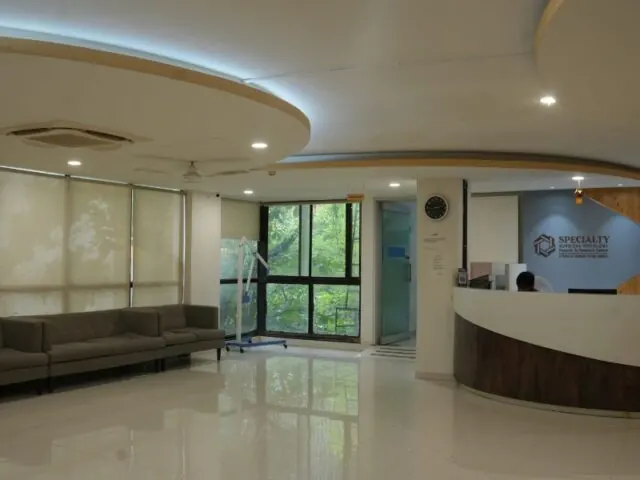
2nd Floor, Specialty Surgical Oncology, New Link Rd, above Bellevue Hospital, next to Audi Showroom, Sahakar Nagar, Azad Nagar, Andheri West, Mumbai, Maharashtra 400053

6th floor, Business Point, Ramakrishna Chemburkar Marg, near Savla Hospital, Chembur Gaothan, Kurla, Mumbai, Maharashtra 400071
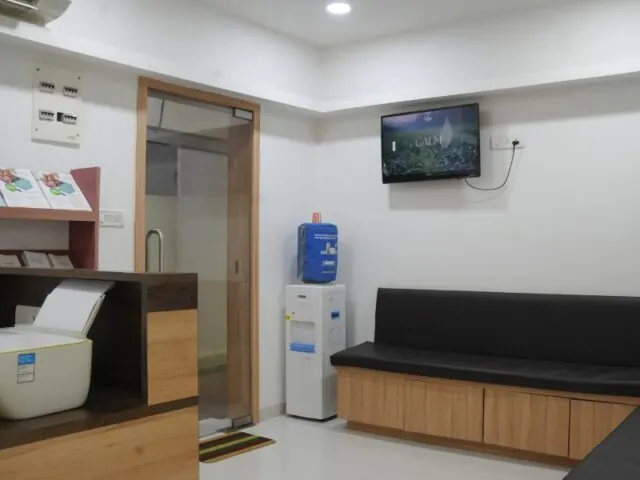
No. 51, Shanti Center Building, 4th floor, Clinic, above Parichay Hotel, Sector 17, Vashi, Navi Mumbai, Maharashtra 400703

9th Floor, Mehta Mahal, 9 B, Shrimad Rajchandraji Marg, Charni Road East, Opera House, Girgaon, Mumbai, Maharashtra 400004

Nh Srcc Children's Hospital, 1-1A, Keshavrao Khadye Marg, Haji Ali, Haji Ali Government Colony, Mahalakshmi, Mumbai, Maharashtra 400034

9666A-2/D, behind BUDA Office, Ashok Nagar, Shivaji Nagar, Belgavi, Karnataka 590016

opp. Pandit Dindayal Upadhyay Auditorium Hall, behind Rajpath Rangoli Road, Bodakdev, Ahmedabad, Gujarat 380054, India
Speak to our team now, or leave your details and a coordinator will call you back.
Call the appointment desk+91-8976897203